
Fleet Week Drone Show | Architecting a Multi-Agency Municipal Deployment
Building the Logistical Infrastructure for Seabrook's First Drone Show.
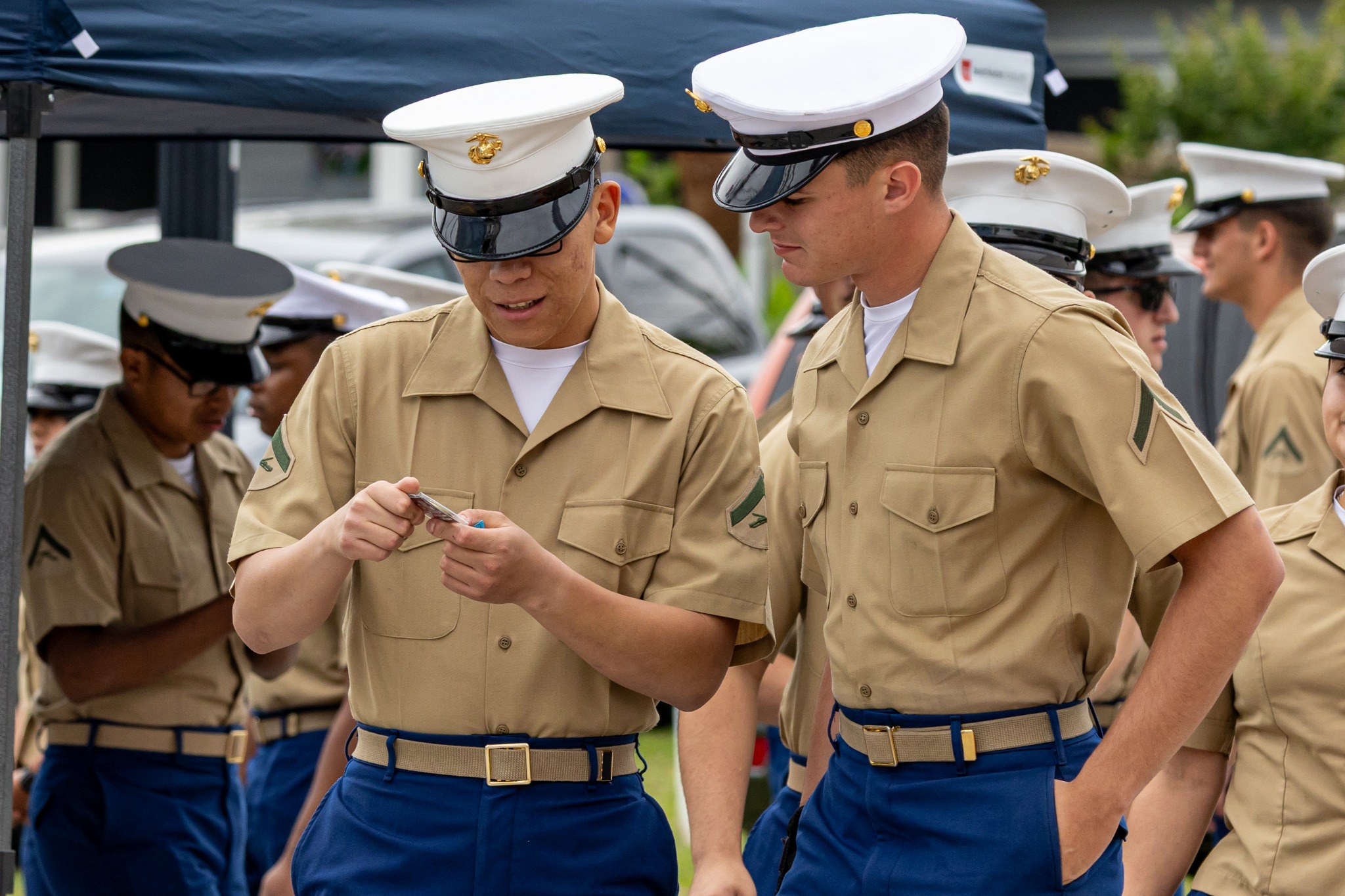
In September 2025, the City of Seabrook saw an opportunity to capitalize on Houston’s first-ever Fleet Week. Following the cancellation of the signature "Celebration Seabrook" event, the pressure was on to deliver a high-impact replacement. However, one week into the planning process, the lead project manager resigned, leaving a $100,000 budget and a complex web of military, FAA, and municipal stakeholders in a state of stasis. I was directed to step in and architect the event’s logistics from the ground up, moving beyond simple event planning into true systems engineering.
The Challenge: A High-Friction Deployment
I was faced with a three-pronged challenge:
- Technical Data Gaps: The drone vendor provided flight safety zones in non-digital formats, making it impossible to check for infrastructure conflicts (like residential overlaps or SH-146 proximity) with a "Ground Truth" spatial map.
- Economic Disruption: A major Tuesday-night street closure on Main Street threatened local businesses. Without a mitigation strategy, the event would cause a negative economic impact on the very community it was meant to celebrate.
- Compressed Fiscal Management: A $100k budget with 33% pre-locked into a single contract left little room for error.
The Solution: Systems Architecture & Spatial Data
Drawing on my personal experience with large-scale fan-experience events (PAX, Indy500) and logistics critique, I built a resilient infrastructure:
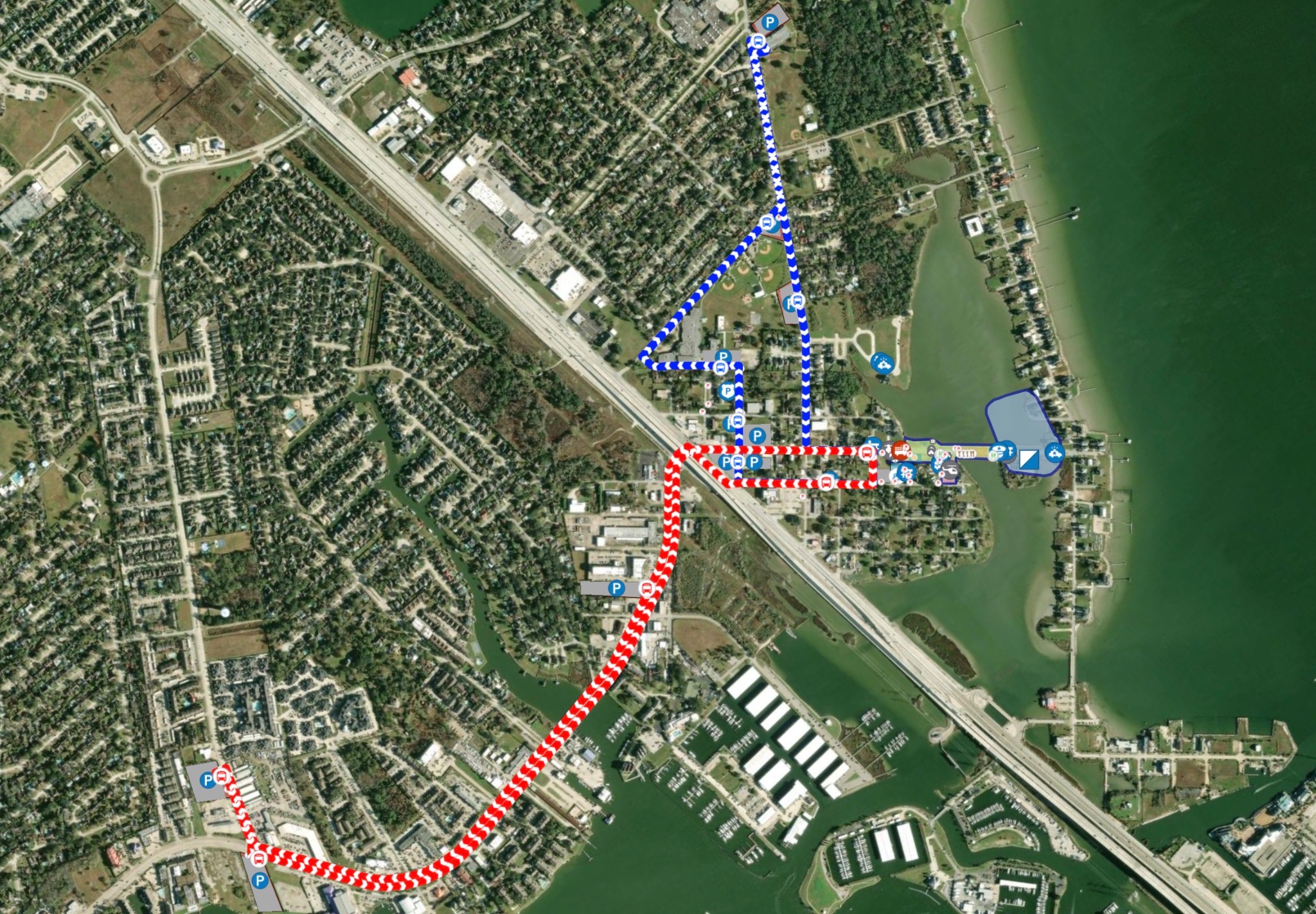
- ArcGIS Spatial "Logic": When the drone vendor could not provide a JSON file, I performed manual spatial tracing to digitize their geofence into ArcGIS Pro. This allowed me to layer in barricades, shuttle routes, vendor placements, and First Aid stations to ensure zero spatial friction with FAA-regulated flight zones.
- Strategic Revenue Activation: To solve the economic disruption on Main Street, I drafted a proposal for a local business owner to utilize their "under-stilt" space as a Beer & Wine Garden. I modeled this after the high-efficiency wine gardens at the Texas Renaissance Festival. This proposal secured TABC-compliant fencing and turned a potential business loss into a permanent revenue-generating bar build-out.
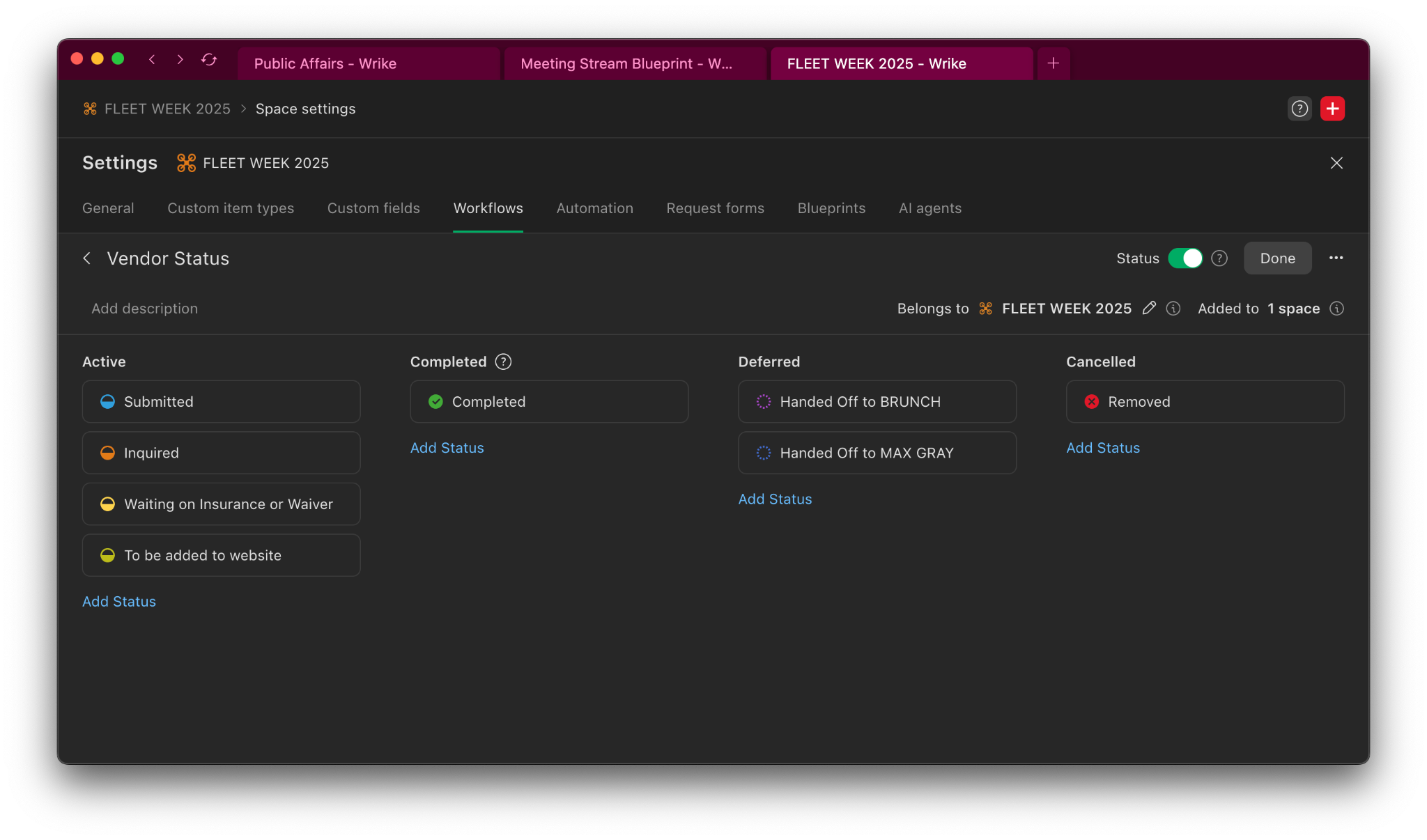
- Infrastructure Automation: I developed an Automated Budget Engine in Excel to track quoted vs. actual variances in real-time. In Wrike, I created custom item types and workflows to manage the lifecycle of vendor applications and Certificates of Insurance (COI), ensuring compliance was automated rather than manually tracked.
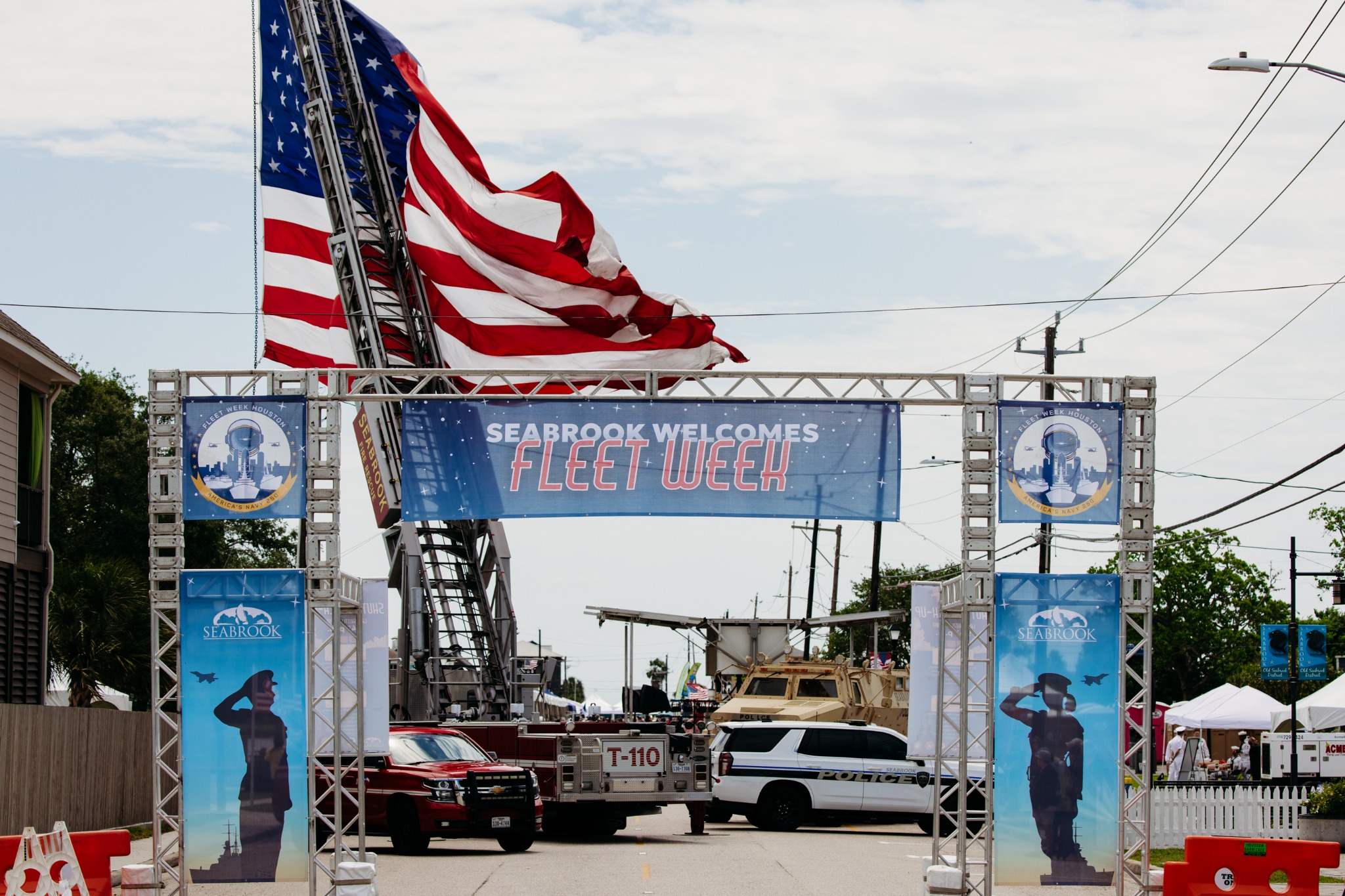
- Environmental Branding: I designed a cohesive "Twilight Sunset" brand identity, utilizing a star-gradient color scheme optimized for low-light legibility. This included designing the lighting trellis entrance archway and custom Challenge Coins to serve as free memorabilia for attendees and visiting military personnel.
The Impact
While the original 2025 date was postponed due to external coordination, the "Digital Twin" I built in ArcGIS and the Standard Operating Procedures I documented in the Day-Of Incident Command Binder served as the direct blueprint for the successful 2026 execution.
- Legacy Infrastructure: The "Beer Garden" concept resulted in a permanent infrastructure upgrade for a local business, providing long-term economic ROI beyond the event date.
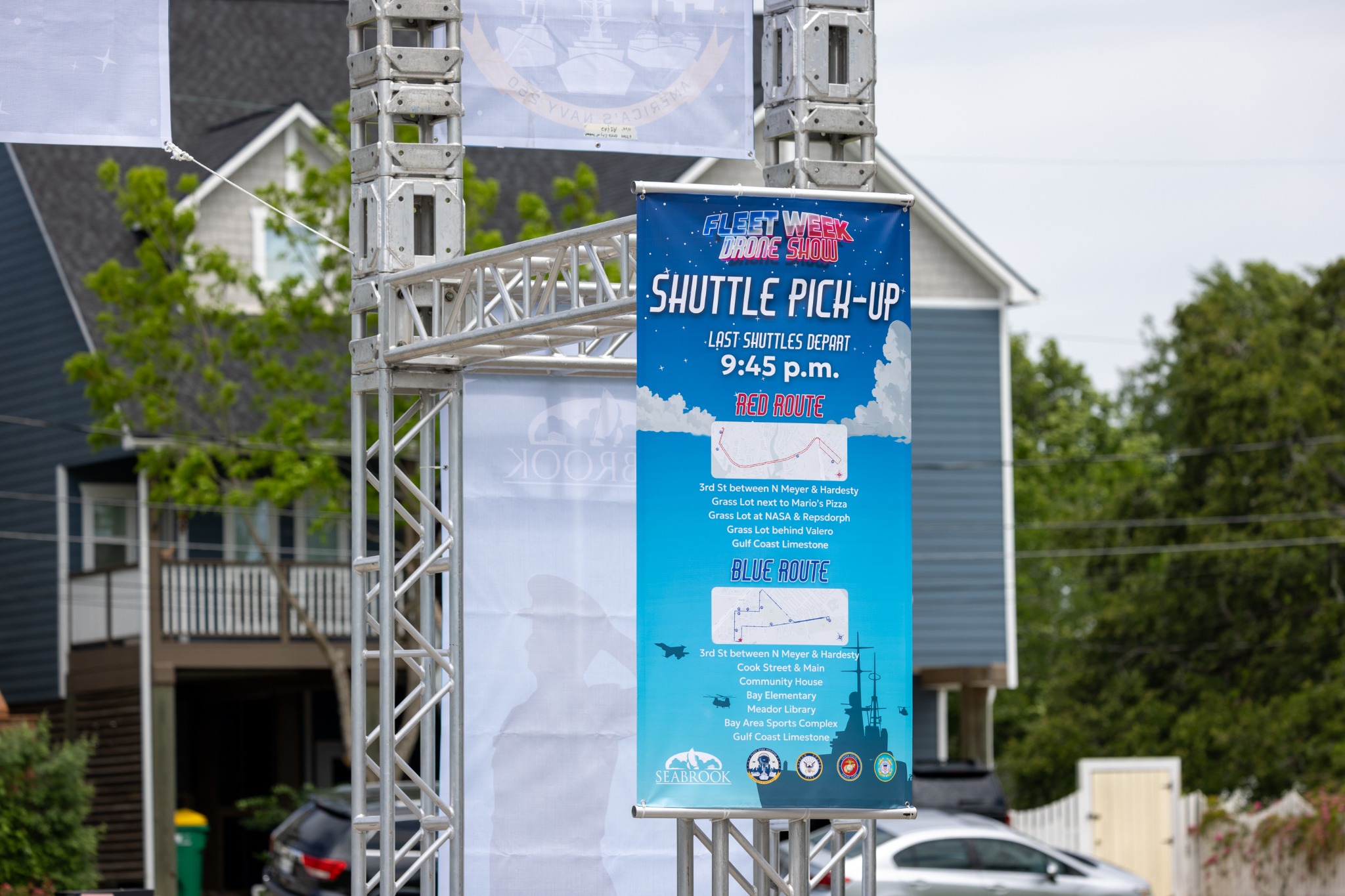
- Scalable Logistics: My shuttle route design successfully navigated the East/West SH-146 divide, providing a repeatable template for future city-wide festivals.
- Agency Approval: The systems were vetted and approved by the City Manager, Economic Development Director, and Fleet Week Houston military coordinators, establishing a new standard for Seabrook’s inter-agency operations.
| account_tree Primary Role | Lead Logistics Architect GIS Specialist |
|---|---|
| terminal Systems Stack | Esri ArcGIS Pro Wrike Excel (Automated) ChatGPT-4 |
| account_balance_wallet Budget Managed | $100,000 (Municipal Spend) |
| developer_guide Key Deliverables | Interactive Public Map, Incident Command Binder, Challenge Coin Design, Vendor Workflow Automation |
| hub Methodologies | Manual Spatial Tracing, Adaptive Reuse, Variance Analysis, Environmental Wayfinding |
| language German Market | Logistikplanung GIS-Analyse |
Post a comment